Mapping My Recovery from Autistic Burnout
Recorded in April 2026

Recorded in April 2026

Video content

Handouts

Continuing Professional Development


From the date of purchase
This experiential workshop recording will assist participants in understanding the causes of their own autistic burnout and developing the initial steps to recover from autistic burnout. This presentation thus addresses strategies for each phase: the early signs, the collapse, initial re-entry into life, maintenance of the plan, and prevention of recurrence.
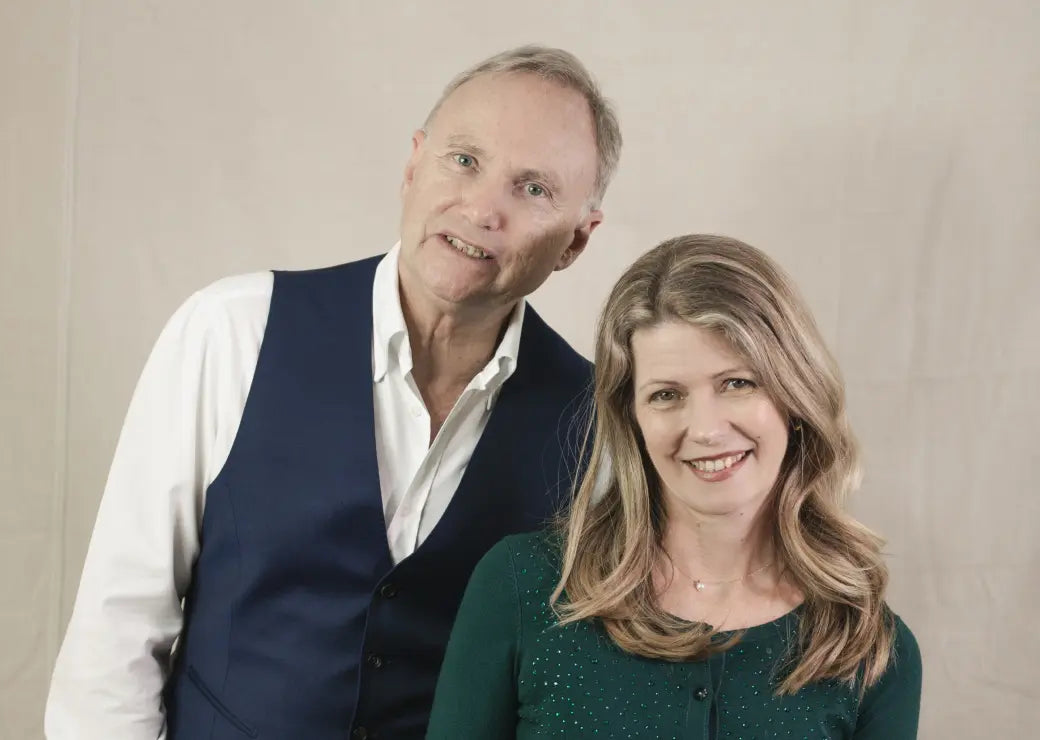
This workshop differs from our previous courses. Tony and Michelle will take you on a guided journey through the stages of autistic burnout to help you discover where you are in that journey. (If you are looking for a course with a lot of information about autistic burnout and what helps, we recommend our full-day on-demand course, Autistic Burnout, before watching this presentation. We offer a discount for the two-course bundle. If you have already enrolled in Mapping My Recovery from Autistic Burnout, you can apply the discount code MAP20AB at the checkout to take 20% off your Autistic Burnout course enrolment.)
Participants are provided with:
What you need to know before you begin:
During this workshop, we assume you have a copy of the Participant Workbook to refer to and complete, either a digital or paper copy. (We provide a fillable PDF and printable version of the workbook.) We will introduce each section of the workbook and then allow you a few minutes at a time to work through some questions.
Before starting the workshop:
During the workshop:
Important Information:
You may attend for yourself, your child, your partner, or your client. If you are attending for your child (14+) or partner, it would be very helpful if they could also attend. The workshop will not provide personal therapy; it is an experiential workshop to assist in increasing self-understanding and self-compassion, as well as ideas about what will assist recovery from autistic burnout.


To further understand the potential causes of my autistic burnout.
To recognise the signs of my autistic burnout and what else may be occurring for me, for example, depression, anxiety, trauma and/or my physical conditions.
To understand the stages of autistic burnout and discover which stage I am in.
To consider options for pathways out of burnout, and which may be best for my current situation, with a focus on self-compassion and stress and energy management.
To identify potential sources of support for my journey to recovery.
To develop ideas for the first steps to take that would benefit me at my stage of burnout.
To understand the potential pathways (the map) out of autistic burnout for me.